


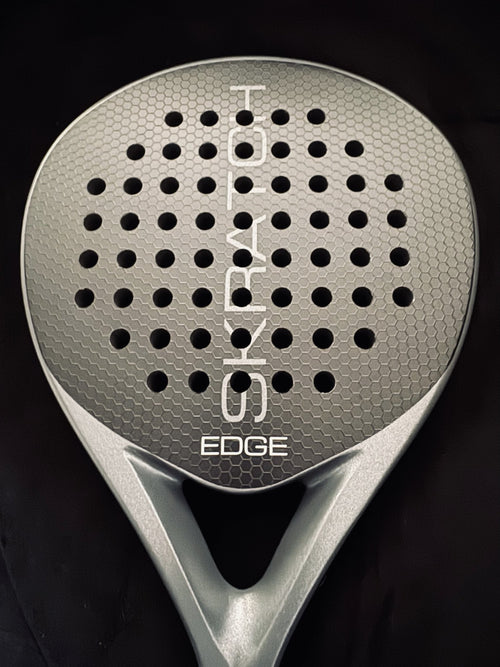

How a Padel Racket Is Made
Share
How a Padel Racket Is Made: Materials, Process & What It Means for Your Game
Ever picked up a padel racket and wondered what’s actually inside that sleek frame? Unlike a tennis racquet with strings, a padel racket is a solid, engineered piece of equipment. Understanding how it’s made and what materials go into it helps you choose one that matches your playing style—whether you’re a beginner wanting comfort or an advanced player chasing power.
The Main Materials Used in Modern Padel Rackets
Padel rackets are built like a high-tech sandwich with three key parts:
• The Core (the heart of the racket): Almost all rackets use EVA foam (Ethylene Vinyl Acetate). Manufacturers shape it to different densities—soft for more comfort and forgiveness, medium for balanced feel, or hard for maximum power and control. Some entry-level models use polyethylene foam instead.
• The Faces/Surface (the outer layers): This is where the ball makes contact. Carbon fiber (often labeled as 3K, 12K, or 18K depending on weave density) is the premium choice for stiffness, power, and durability. Fiberglass is softer and more flexible (and cheaper), making it great for beginners as it offers better vibration dampening and forgiveness on off-centre hits.
• The Frame: Usually made from layered carbon fiber or fiberglass for strength and structure. Higher-end rackets may add reinforcements like Kevlar or basalt for extra durability in specific areas.
Additional touches include epoxy resin to bond everything, a comfortable handle with overgrip, and a protective edge guard.
How a Padel Racket Is Made – Step by Step
1. Design & Material Selection
Engineers decide the shape (round, teardrop, or diamond), balance, and performance goals before choosing exact materials.
2. Core Creation
The EVA foam is cut or moulded into the precise racket head shape using CNC machines for consistency.
3. Layering (The Layup)
Sheets of carbon fiber or fiberglass are carefully hand-laid around the core in specific patterns and angles. This step is crucial—more layers or stiffer weaves equal more power.
4. Molding & Curing
The assembled “sandwich” goes into a precision mold. It’s pressed under high heat and pressure (hot-press process) so the resin bonds everything into one strong, solid piece.
5. Finishing
Once cooled, the racket is trimmed, holes are drilled for better aerodynamics and feel, edges are protected, and the surface gets a textured finish (matte, glossy, or rough for spin). The handle is added last, followed by strict quality checks.
The entire process can take several days from start to finish, with skilled hands involved in the most important layering stages.
Why This Matters for You on the Court
- Softer fiberglass + soft EVA = more comfort and easier learning
- Carbon fibre + medium EVA = intermediate mix of comfort and power.
- Stiffer carbon fiber + harder core = extra power and precision for experienced players.
Knowing the materials helps you avoid buying a racket that feels too stiff or too mushy for your level. Next time you test rackets at a club, ask about the core density and face material—you’ll sound like a pro!